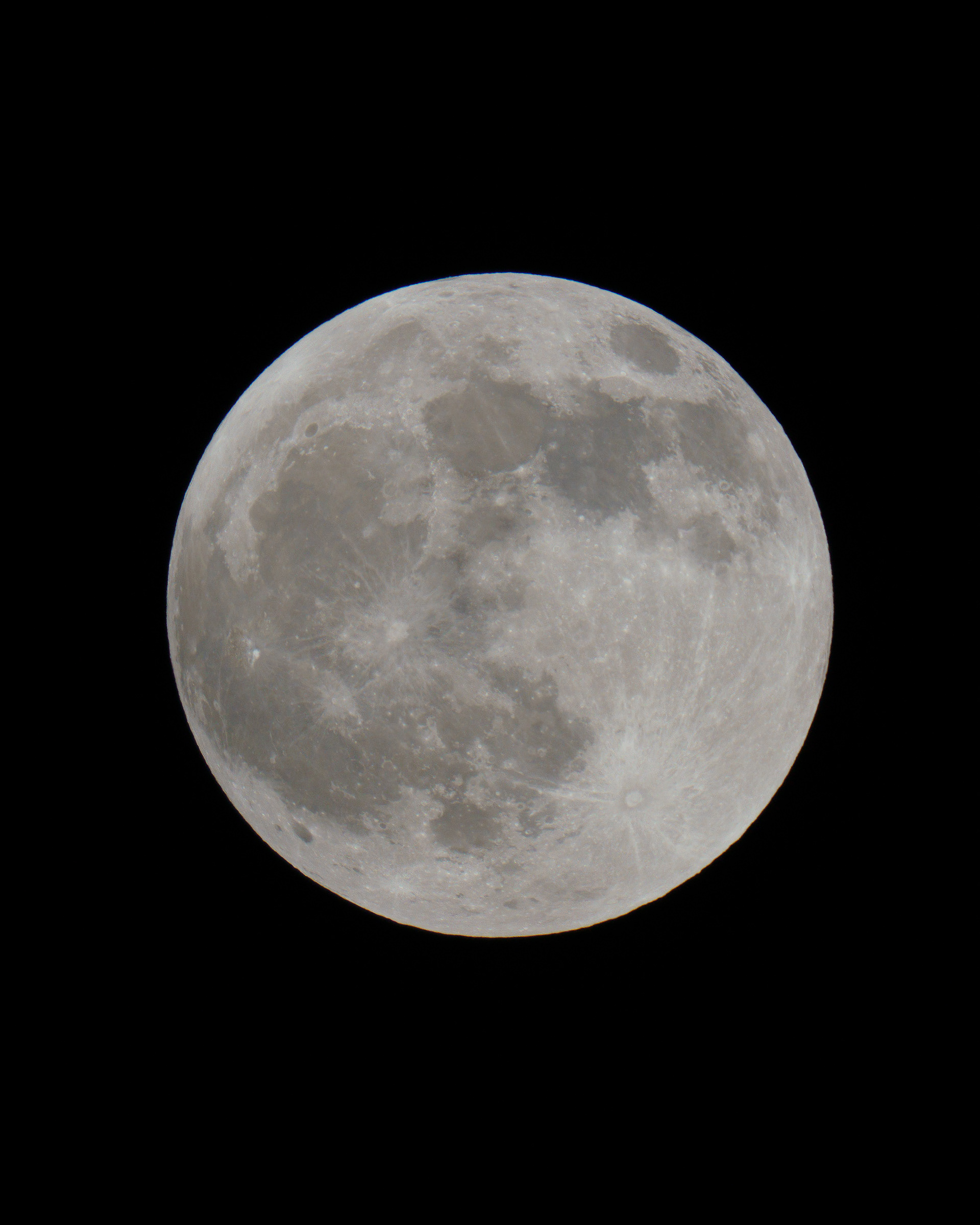
On the evening of September 7, 2025, our group from the Dubai Natural History Group (DNHG) ventured just outside the city’s glow, escaping the harsh glare of urban lighting to a quieter desert fringe. It was an exceptional outing under impeccably clear skies — an ideal setting for what promised to be one of the most memorable astronomical shows of the year.
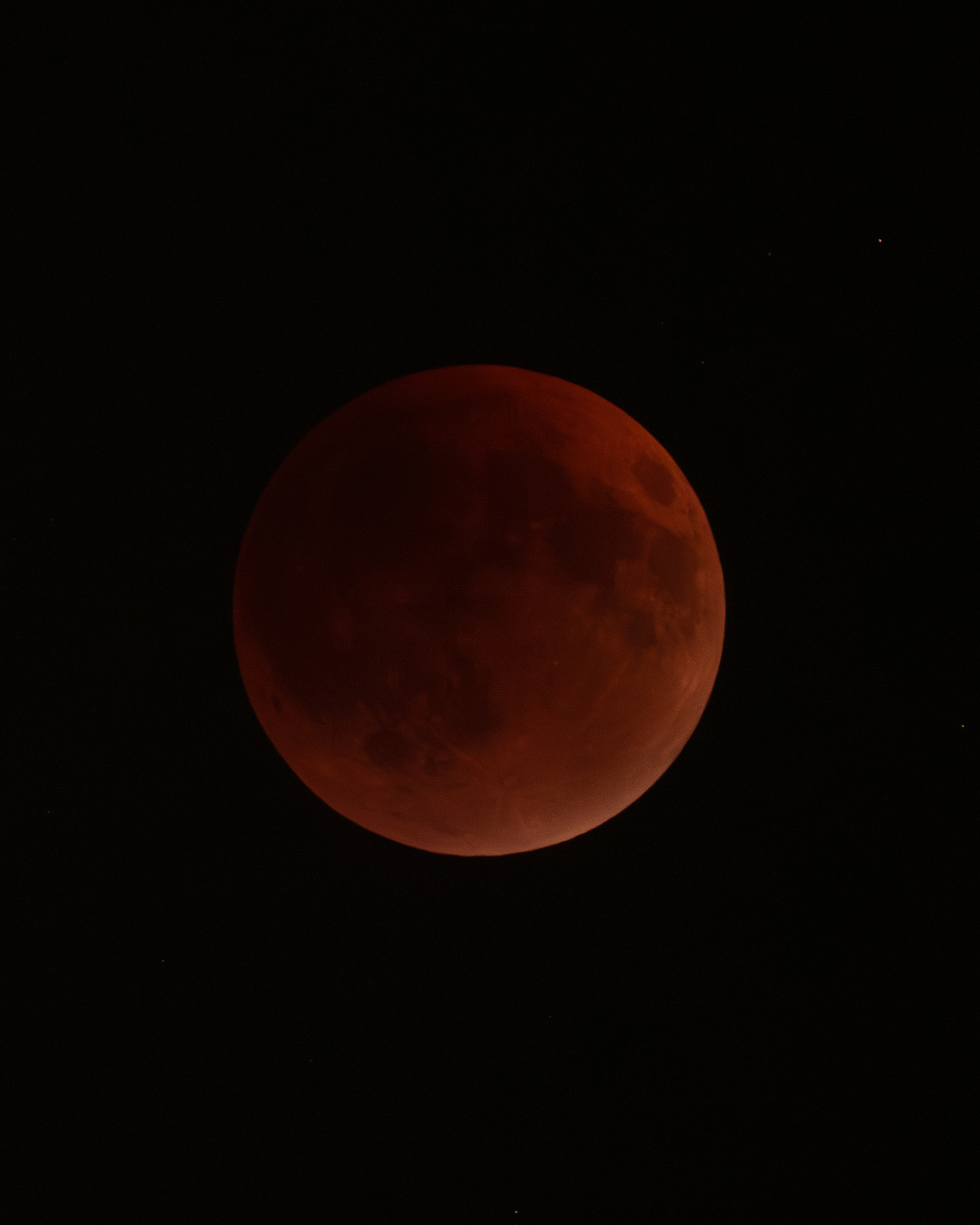
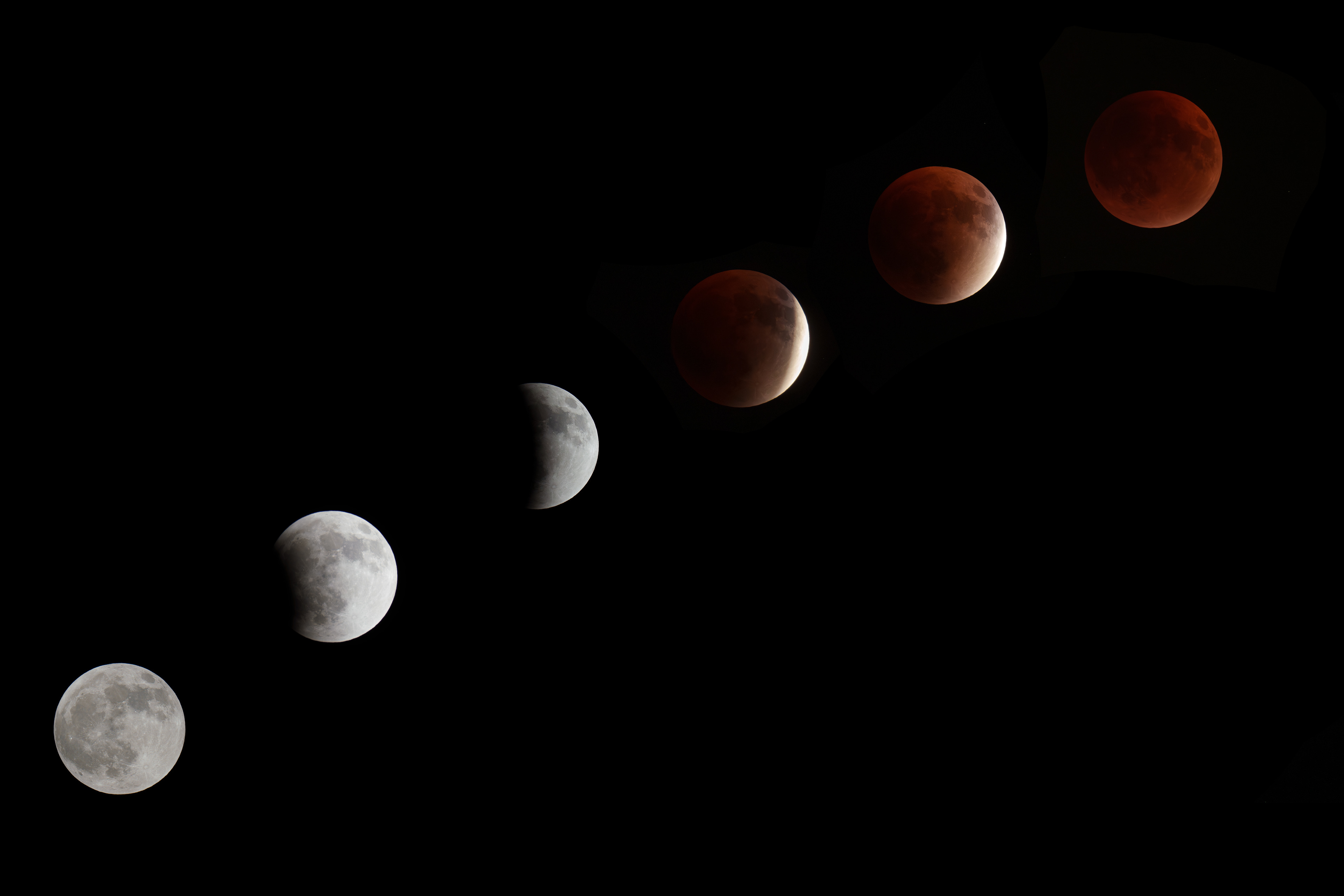
As the night unfolded, we watched the Moon gradually slip into Earth's shadow. Penumbral shading began around 7:28 pm GST, followed by the dramatic partial eclipse at 8:27 pm, and finally the “blood moon” glow at 9:30 pm, when the Moon turned a rich crimson hue. The total phase — that glowing red spectacle — lasted a full 82 minutes before fading back into partial shadow and penumbral light. It truly was a magical evening.
While this eclipse was extraordinary, there’s more on the horizon — though you’ll need a bit of patience. According to eclipse data for the UAE:
◉ The next total lunar eclipse visible from Dubai will occur on December 31, 2028, making it both rare and festive — a literal “New Year’s Eve Blood Moon.”
◉ In the meantime, Dubai will see only partial or penumbral lunar eclipses, including in August 2026 and February 2027
◉ The next total lunar eclipse visible from Dubai will occur on December 31, 2028, making it both rare and festive — a literal “New Year’s Eve Blood Moon.”
◉ In the meantime, Dubai will see only partial or penumbral lunar eclipses, including in August 2026 and February 2027
1. What is a Blood Moon?
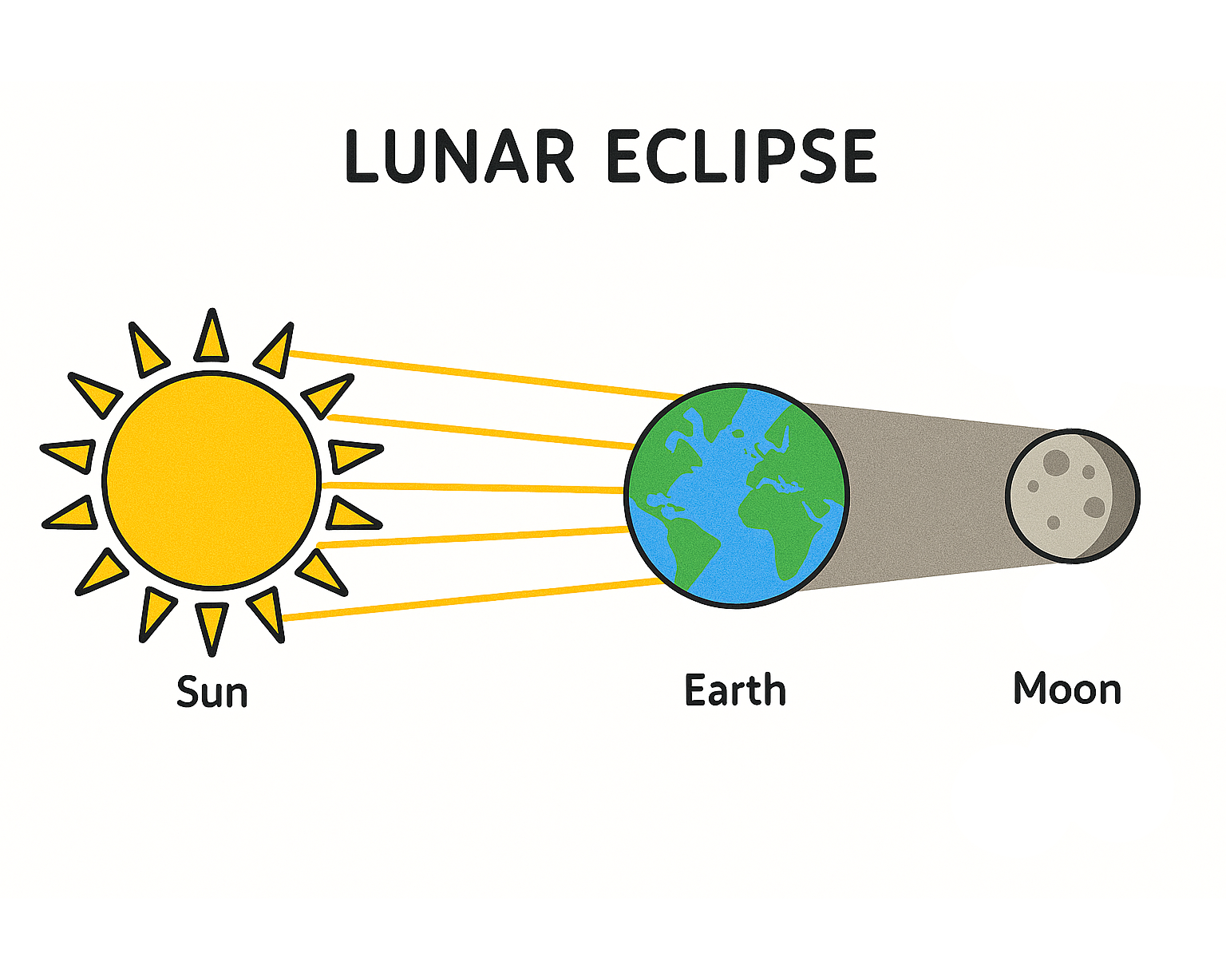
A “blood moon” is the name often given to a total lunar eclipse. Unlike a solar eclipse, where the Moon blocks sunlight, a lunar eclipse occurs when the Earth positions itself directly between the Sun and the Moon. As Earth casts its shadow, sunlight is filtered through our atmosphere and bent toward the Moon’s surface.
This filtered light removes the shorter, bluer wavelengths, allowing only the red and orange tones to reach the Moon — hence the haunting crimson glow that inspires the name “blood moon.”
In Dubai, the phenomenon can be seen clearly thanks to the generally cloud-free skies. Blood moons typically occur a few times a year worldwide, but visibility depends on your region. In the UAE, the next blood moon will be visible on December 31st 2028. The eclipse lasts several hours, with the total “red” phase often spanning around one hour.
It’s a rare chance to witness astronomy’s theatre from the desert or even the city — a reminder of how Earth, Moon, and Sun align in perfect cosmic choreography.
2. Tips for Photographing the Blood Moon in Dubai
Photographing a blood moon is both a technical challenge and an artistic opportunity. Unlike an ordinary full moon, which shines brightly enough to allow quick exposures, a lunar eclipse dims the Moon dramatically as it moves into Earth’s shadow. To capture its beauty, a little planning and patience go a long way.
◉ Location:
The first decision is where to watch from. Although the blood moon can be seen even from Dubai’s city center, the glow of streetlights and buildings tends to wash out the sky. To experience the eclipse in all its glory, it is worth heading out a little way into the desert — places like Al Qudra, Lahbab or Hatta offer wide horizons and darker skies. For those who prefer staying in town, consider turning the cityscape into part of the composition. A red moon rising behind the Burj Khalifa or framed above a mosque dome can be just as captivating as a desert horizon.
The first decision is where to watch from. Although the blood moon can be seen even from Dubai’s city center, the glow of streetlights and buildings tends to wash out the sky. To experience the eclipse in all its glory, it is worth heading out a little way into the desert — places like Al Qudra, Lahbab or Hatta offer wide horizons and darker skies. For those who prefer staying in town, consider turning the cityscape into part of the composition. A red moon rising behind the Burj Khalifa or framed above a mosque dome can be just as captivating as a desert horizon.
◉ Equiment and settings:
Once you’ve chosen your spot, the next step is your equipment. A camera with manual settings is highly recommended, whether DSLR or mirrorless, along with a sturdy tripod to avoid blur during longer exposures. A telephoto lens — 200 mm or more — brings the Moon’s surface into focus, revealing its craters even under the crimson glow. But don’t underestimate a wide-angle lens either; it can help tell the story by placing the eclipse in its wider setting, whether that’s sand dunes, mountains, or Dubai’s skyline.
Once you’ve chosen your spot, the next step is your equipment. A camera with manual settings is highly recommended, whether DSLR or mirrorless, along with a sturdy tripod to avoid blur during longer exposures. A telephoto lens — 200 mm or more — brings the Moon’s surface into focus, revealing its craters even under the crimson glow. But don’t underestimate a wide-angle lens either; it can help tell the story by placing the eclipse in its wider setting, whether that’s sand dunes, mountains, or Dubai’s skyline.
When it comes to camera settings, think of the blood moon as a moving target that changes brightness throughout the night. During the partial phases, when part of the Moon remains sunlit, relatively fast shutter speeds of around 1/125 second can keep details sharp. As the eclipse deepens, however, the Moon grows dimmer and longer exposures are needed — sometimes half or one second— to bring out the rich red tones. This is where the tripod becomes essential. A narrow aperture, such as f/7.1 to f/8, ensures clarity across the frame, while an ISO of 400–1600 usually balances brightness without introducing too much noise. Autofocus often struggles in the dark, so it’s best to switch to manual focus, zoom in on the Moon, and adjust until the edges appear crisp.
◉ Composition:
The real artistry comes in composition. Some photographers prefer close-up portraits of the Moon, isolating it against a black sky. Others weave it into the landscape, turning the eclipse into part of a larger story. Think of the Moon rising over the desert dunes, or glowing red above Dubai Creek — moments that combine the cosmic with the cultural. The changing light throughout the eclipse offers multiple opportunities: capture the gradual darkening, the dramatic crimson peak, and the slow re-emergence of silver light. Together, they form a natural time-lapse of the night.
The real artistry comes in composition. Some photographers prefer close-up portraits of the Moon, isolating it against a black sky. Others weave it into the landscape, turning the eclipse into part of a larger story. Think of the Moon rising over the desert dunes, or glowing red above Dubai Creek — moments that combine the cosmic with the cultural. The changing light throughout the eclipse offers multiple opportunities: capture the gradual darkening, the dramatic crimson peak, and the slow re-emergence of silver light. Together, they form a natural time-lapse of the night.
Above all, photographing a blood moon is an exercise in patience. The process unfolds over several hours, and the most striking images often come when you least expect them. Take the time to experiment, adjust, and simply enjoy the spectacle. Even if your photos don’t turn out exactly as planned, the memory of watching the Moon turn red over Dubai’s skies will remain unforgettable.